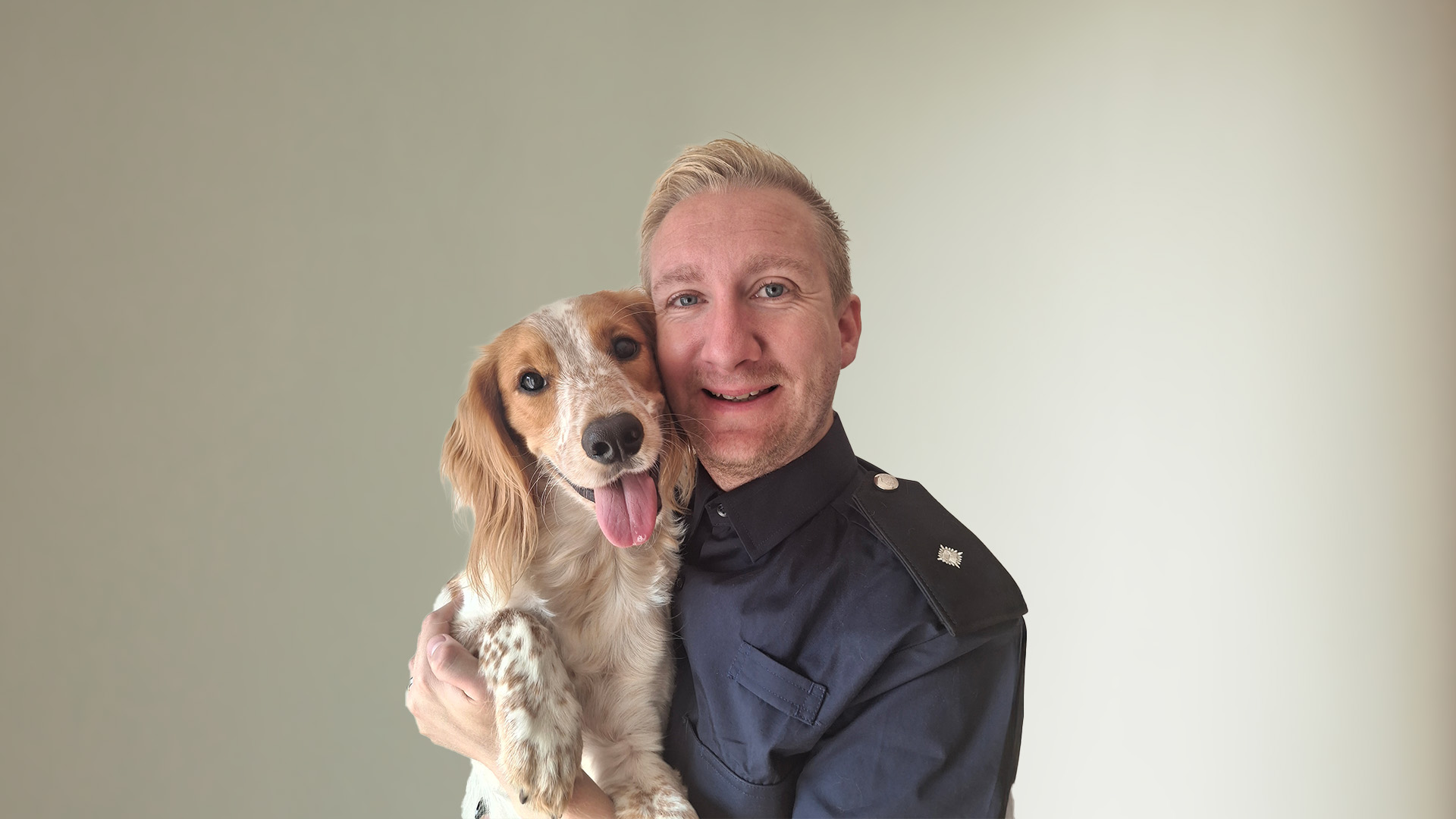
Hi, I’m Scott and I’m a Training Instructor within the Border Force National Dog Team (NDT).
My role involves the initial training and development of detector dogs before they’re allocated to operational handlers. Using structured, positive training methods, I help prepare dogs for the environments they’ll work in and build the confidence and capability they need before they progress to the next stage, where I then conduct specialist training to prepare them for their future careers.
Training instructor’s also deliver the initial dog handler training course. This 12-week programme gives new handlers the knowledge, practical experience and skills required to work effectively with operational detector dogs.
Alongside this, I’m responsible for maintaining and developing professional standards across the NDT. I support established licensed handlers and dogs through continual training and carry out quarterly assessments to make sure handlers and dogs remain operationally ready.
Helping protect the UK’s borders
The National Dog Team is fundamental to Border Force operations across the UK.
Our dogs work in airports, seaports, inland parcel depots and a variety of other operational environments. They are trained to detect prohibited and restricted goods including narcotics, firearms, cash, tobacco, products of animal origin, and even concealed individuals.
Working alongside their handlers and other Border Force officers, detector dogs provide a highly adaptable capability that helps prevent illicit goods and individuals from entering the UK illegally. Knowing that the training we deliver contributes directly to protecting the UK’s security and borders is something I’m really proud of.
A career built around working with dogs
I’ve worked for the Home Office for 10 years and have always worked within the dog programme.
I started as a Kennel Assistant, now known as an Animal Care and Welfare Technician, before progressing to Dog Handler. I spent several years working with detector dogs trained on different commodities, building valuable experience along the way.
For the last two years I’ve been a Training Instructor, a role I’m passionate about.
I enjoy helping both dogs and handlers develop their skills and capabilities so they can achieve success.
Before joining Border Force, I’d studied Animal Care as well as Animal Management at college and gained experience working in boarding kennels and dog training schools. My ambition was always to work professionally with dogs and eventually become a dog handler.
I hadn’t previously realised Border Force had a dog programme, but once I learned about the work the dogs do to help protect the UK’s borders, I knew I wanted to be part of it.
No two days are the same
A typical day as a Training Instructor can be incredibly varied.
I might be carrying out quarterly assessments, supporting training days with handlers and dogs, assisting with annual licences, training dogs and handlers for new commodities/capabilities, developing young dogs entering the detector dog programme, delivering dog handler courses, or supporting existing teams as they take on new training requirements.
The role is national, so while I’m based in one part of the country, I can be deployed anywhere within the UK.
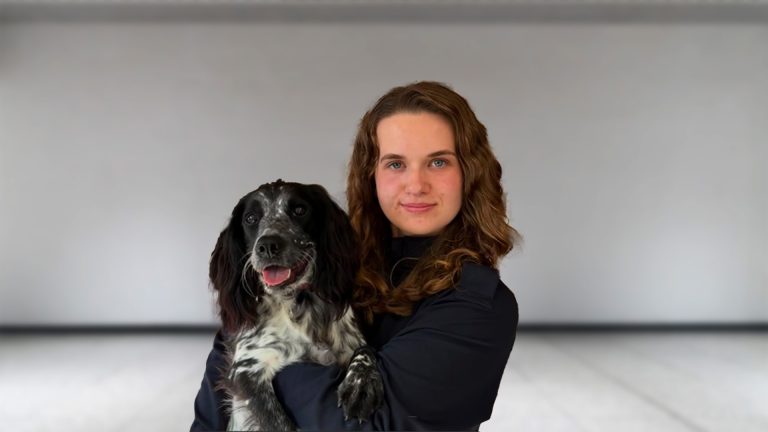
More recently, a lot of my time has been dedicated to Basil (pictured), one of the first puppies in Border Force’s new puppy programme. I’ve been raising and developing Basil since he was 10 weeks old and it’s been rewarding to see how he has progressed as he prepares for future detector dog training.
A rewarding and impactful role
One of the things I enjoy most is seeing the development of both dogs and handlers.
Receiving reports of successful detections from dogs or handlers I’ve helped train is a real highlight. Seeing that progression from training to operational success makes all the effort worthwhile.
More recently, helping to develop Basil through the puppy programme has been another highlight. I also enjoy supporting experienced handlers and new recruits as they continue to build their skills and confidence.
Learning, development and progression
The Home Office has given me opportunities to continually develop throughout my career.
I’ve progressed from Animal Care and Welfare Technician to Dog Handler and then to Training Instructor, gaining experience and qualifications along the way.
Since joining the Home Office, I’ve completed a wide range of learning, from canine first aid and dog behaviour courses through to customs training and instructor qualifications. It’s a role where development never really stops because both people and dogs are constantly learning.
A practical role with real purpose
The role works well for me because of the structured roster and varied shift patterns, which help support a healthy work-life balance.
I’d recommend a career working with Border Force dogs to people who genuinely enjoy working with animals and want a practical, hands-on role that matters. The dogs’ care, welfare and enrichment are a major priority, and it’s rewarding to see the impact they make.
Working alongside detector dogs isn’t just about spending time with animals. It’s about helping develop a capability that protects the UK every day.
If you’re looking for a practical, varied and rewarding career and want to play a part in keeping the UK’s borders safe and secure, it’s a fantastic place to work and progress.